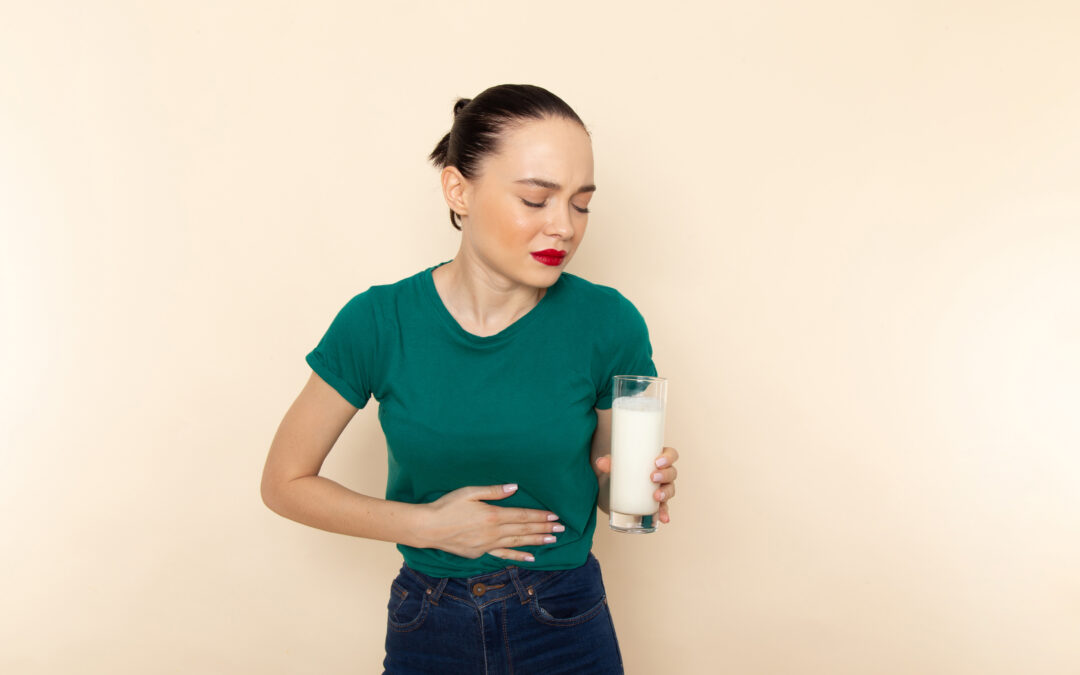
Stomach cancer places a unique strain on the digestive system, often making it difficult for patients to tolerate regular meals. During treatment or after surgery, the body needs gentle nourishment that supports healing, restores strength, and maintains a steady calorie intake. This is where stomach cancer nutrition becomes essential. A balanced food plan may help minimize discomfort, support recovery, and ensure the body receives enough protein, vitamins, and minerals.
Many people begin with a liquid diet for stomach cancer patients and gradually progress toward softer and eventually solid foods based on their tolerance. This transition may not feel easy, as appetite changes and digestive challenges are common. However, a structured approach, mindful food choices, and guidance from healthcare professionals may make the process smoother. Always consult your dietitian and oncologist before making any dietary changes, as nutritional needs may vary significantly from person to person based on tolerance and treatment stage. Some patients may also require tube feeding for stomach cancer, which must be planned and monitored by a qualified dietitian.
This blog explains how patients can move from liquids to solids safely, highlights easy-to-digest foods for cancer patients, and provides practical tips to maintain nutrition during recovery. Always consult your nutritionist or dietitian to personalize your plan.
Key Takeaways
- Proper nutrition may help improve strength, healing, and tolerance to treatment.
- A liquid diet for stomach cancer patients is often the first step after surgery or during severe discomfort.
- Soft, mashed, and easy-to-digest meals help bridge the gap between liquids and solids.
- Gradual progression prevents nausea, pain, and dumping syndrome.
- Lightly cooked, low-spice meals may be better tolerated.
- Frequent, small meals may reduce discomfort and maintain energy.
- Always consult a nutritionist for personalised dietary advice.
- Some patients may require tube feeding, which must be handled under the guidance of a dietitian and oncology team.
Table of Contents
1. Understanding Stomach Cancer Nutrition
The digestive system becomes more sensitive during stomach cancer treatment, especially after procedures involving the stomach lining. Nutrients may not be absorbed efficiently, and certain foods may trigger pain or discomfort. A structured meal plan with gentle textures, fewer irritants, and balanced nutrients may support recovery. In some cases, when oral intake is not sufficient, tube feeding may be required. This should always be decided by a dietitian and the treating oncologist.
A stomach-friendly diet typically focuses on:
- Light cooking
- Low spice
- Low fat
- Easy digestion
- High protein
- Frequent small meals
The goal is to nourish the body without overwhelming the digestive system.
2. Why Nutrition Matters During Treatment
Good nutrition may:
- Reduce treatment-related fatigue
- Promote tissue repair
- Maintain weight
- Support immunity
- Improve tolerance to therapies
Without proper nutrition, patients may experience weakness, infections, or delayed recovery. A planned approach may help maintain strength throughout treatment. For some individuals who cannot meet their needs through regular eating, tube feeding may be necessary to maintain adequate nutrition.
3. Starting With a Liquid Diet for Stomach Cancer Patients
After surgery or during severe symptoms, nutritionists often recommend a liquid diet. This helps the stomach heal without stress.
Types of Liquids That May Be Better Tolerated
- Clear vegetable broths
- Smooth grain-based drinks
- Light milk-based drinks
- Plain yogurt-based drinks
- Protein-rich soups
- Thin porridges
Benefits of a Liquid Diet
- Provides hydration
- Offers essential minerals and small amounts of protein
- Gentle on digestion
- Helps avoid nausea and pain
How Long to Stay on Liquids?
Only a nutritionist can decide the duration. Typically, patients stay on liquids until discomfort reduces and digestion stabilizes.
4. Soft and Semi-Solid Foods
Once liquids are tolerated, soft foods can be introduced.
Examples of Soft Foods
- Mashed boiled vegetables
- Soft-cooked rice
- Thick porridges
- Soft-cooked lentils
- Mashed grain dishes
- Soft, steamed vegetable patties
- Mashed potatoes
- Smooth yogurt
- Steamed egg preparations
- Ripe mashed fruits
These are gentle, provide energy, and are great sources of protein and micronutrients.
Benefits
- Provides more calories
- Easy chewing and swallowing
- Less gastric load
Helps patients adapt to textures again
5. How to Transition From Liquids to Solids After Stomach Cancer
The transition should be slow and patient-friendly. Rushing may cause nausea, pain, or indigestion. Always consult your nutritionist or dietitian to personalize your plan.
Step-by-Step Transition
Step 1: Start With Thin Liquids
Consume small sips of clear broths, thin porridges every 2-3 hours.
Step 2: Move to Thicker Liquids
Introduce thicker soups, yogurt drinks, and blended porridges.
Step 3: Add Soft Foods
Bring in mashed vegetables, soft rice, lentils, and soft-cooked eggs.
Step 4: Introduce Semi-Solids
Try soft flatbreads with mild curries, thick porridges, or steamed patties.
Step 5: Add Solid Meals Slowly
Start with one solid meal a day. Increase quantity if tolerated.
Key Tips
- Eat slowly
- Take small bites
- Chew well
- Avoid spicy, greasy foods
- Do not drink during meals; sip liquids between meals
- Sit upright after eating
- Rest for digestion
- Avoid sugary drinks, fruit juices, and fizzy or carbonated drinks, as they may trigger dumping syndrome. Dumping syndrome is a condition where food moves too quickly from the stomach into the intestines, causing symptoms like dizziness, nausea, stomach cramps, and sudden weakness.
When to Stop Transition?
If there is discomfort, vomiting, severe pain, or bloating, go back to soft foods and consult a nutritionist.
6. Foods That May Help and Foods to Avoid
Foods That May Help
- Mild soups
- Light lentil dishes
- Soft grains
- Steamed vegetables
- Lean proteins
- Ripe fruits
- Yogurt
- Soft-cooked eggs
- Healthy fats, like small amounts of ghee or oil
Foods to Avoid
- Fried foods
- Spicy meals
- Excessive chili
- Pickles
- Heavy gravies
- Processed foods
- Aerated drinks
- Sweets are high in sugar
- Foods that cause gas, such as certain legumes
These foods may irritate the stomach or worsen symptoms.
7. Practical Eating Tips for Better Digestion
- Prefer small meals 6-7 times a day.
- Sip warm water instead of cold.
- Keep meals mild and light.
- Include protein in every meal.
- Add healthy fats in small quantities.
- Monitor each food and note reactions.
- Avoid lying down right after eating.
- Keep stress low; it may affect digestion.
Always consult your dietitian and oncologist because digestion, tolerance, and nutritional needs may vary widely between individuals.
Final Thought
Nutrition plays a vital role in supporting strength and recovery during stomach cancer treatment. A gradual transition from liquids to solids may help reduce discomfort and maintain nourishment. Always adjust meals based on your tolerance and seek personalised guidance from your nutritionist or dietitian. Remember that some patients may also require tube feeding based on their medical condition, and this must always be supervised by a dietitian and oncology team.
If you need help creating patient-friendly nutrition plans, digestive-safe meal ideas, or condition-specific content, our team may assist you in building reliable, medically reviewed resources tailored to your website or healthcare brand.
Need Expert Guidance for Cancer-Specific Nutrition and Care?
At OncoHeal, we provide personalised nutrition support, treatment guidance, and recovery-focused care for patients at every stage of their cancer journey. If you or a loved one needs help managing diet, symptoms, or overall well-being, our team is here to support you with evidence-based, patient-friendly solutions.
FAQs
(Frequently Asked Questions)
What is the best diet for stomach cancer patients?
A gentle, low-spice, protein-rich diet with soft textures may work best. Always follow medical advice before making changes.
How long should a patient be on a liquid diet?
The duration varies for each patient. Only a nutritionist can decide based on healing progress and symptoms.
What foods are easiest to digest after stomach cancer surgery?
Soft rice, mashed vegetables, soft-cooked lentils, light porridges, mild soups, and yogurt are commonly easy to digest.
How to transition from liquid to solid food safely?
Move slowly: thin liquids → thick liquids → soft foods → semi-solids → solids. Increase texture only when comfortably tolerated.