Food Safety During Cancer Treatment
Diseases like cancer, along with its intense treatments such as chemotherapy, radiation therapy, bone marrow/stem cell transplants, and surgery, can weaken the immune system. A fully functioning immune system protects the body from various infections and foreign bodies.
Food safety during cancer treatment becomes especially critical because cancer patients are more susceptible to infections. This makes it difficult for the body to protect itself from foodborne illness, also called food poisoning. Foodborne illness is caused by eating food contaminated with harmful bacteria, parasites, or viruses. Hence, food safety during cancer treatment involves following strict safe food handling practices to reduce risks.
Key Takeaways
- Cancer treatments like chemotherapy, radiation, and transplants weaken immunity, making foodborne illnesses more dangerous.
- Proper handwashing, thorough cleaning of produce, and careful separation of raw and cooked foods significantly reduce infection risk.
- Always cook meat, eggs, and seafood fully, and reheat soups or gravies until boiling.
- Store food properly – refrigerate perishables within 2 hours and avoid the temperature “danger zone” (40ºF-140ºF).
- When eating out, choose freshly cooked hot meals and avoid salads, raw foods, raitas, fermented items, and cut fruits.
- Avoid uncooked dairy products, undercooked eggs, sprouts, pickles, and preserved foods that may carry harmful bacteria.
- Always check expiry dates and stay alert for symptoms like nausea, vomiting, or diarrhea.
- Safe food habits can significantly reduce complications and support recovery during cancer treatment.
1. Listed below are some simple steps for food safety during cancer treatment that can lower the risk of food-borne infections:
1. Cleaning: Washing hands is the first step towards food hygiene
- Wash hands in warm soapy water for at least 20 seconds before and after handling food and after using the bathroom, changing diapers, or handling pets.
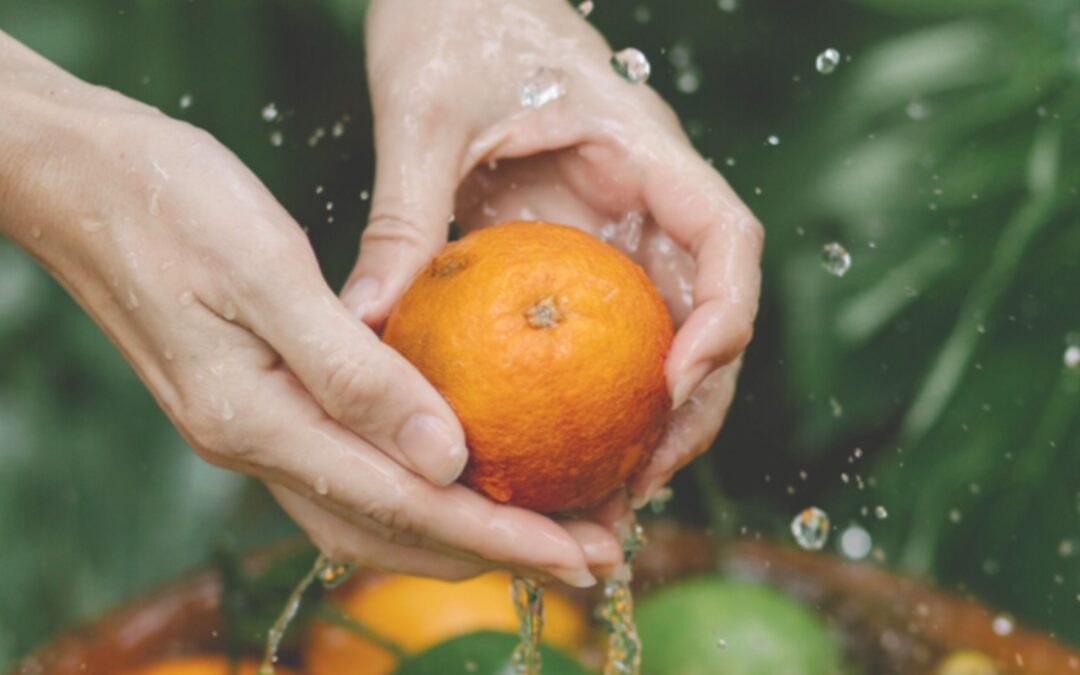
- Thoroughly clean fresh fruit and vegetables under running water by scrubbing or brushing to remove excess dirt. This helps to avoid introducing bacteria to fruits.
2. Avoiding cross-contamination: Cross-contamination occurs when bacteria are spread from one food product to another
- Separate raw meat, poultry, seafood, and eggs from other foods in your grocery shopping cart, grocery bags, and in your refrigerator
- Never place cooked food on a plate that previously held raw meat, poultry, seafood, or eggs without first washing the plate with hot soapy water.
- This step is a critical part of food safety during cancer treatment and prevents avoidable infections.
3. Cooking: Be very sure that your foods are cooked safely
- Make sure that the meat, poultry, seafood, or egg product is thoroughly cooked. A food thermometer can be useful in certain cases to ensure a safe temperature.
Cook eggs until the yolks and whites are firm. Use only recipes in which the eggs are cooked or heated thoroughly. - Bring soups and gravies to a boil when reheating. All of this ensures food safety during cancer treatment at home.
4. Storing:
- Always prefer eating freshly cooked foods.
- Refrigerate or freeze meat, poultry, eggs, seafood, and other perishables within 2 hours of cooking or purchasing.
- Avoid keeping food between 40ºF and 140ºF as it favors the growth of bacteria.
- Check that the temperature of your refrigerator is at 40ºF or below for proper food safety during cancer treatment.
2. Precautions when eating out:
Food safety during cancer treatment is important when dining out as well:
- Prefer eating freshly cooked home foods.
- Ask the waiter or chef whether the food contains uncooked ingredients such as eggs, meat, poultry, or fish. If yes, choose something else
- Choose food in which you are sure your food has been cooked to a safe minimum internal temperature.
- Order your meal before everyone else as others may influence your decision of healthy eating.
- In buffets, forget the notorious notion of eating all you can eat. Food that may contain undercooked foods or foods that have been at room temperature for too long should be strictly avoided.
- Sticking to a vegetarian diet can reduce the risk of contamination. You can go for warm and fresh phulkas, bhakri, chappati, parathas, and puri with properly cooked vegetable curries.
- Steamed rice along with dal and pulses preparation can be a good choice too. Vegetable pulav or vegetable biryani is also safe and a good option
- Avoid salad and raitas of all forms.
- Avoid fermented and preserved food items like papad, pickles, sprouts, etc.
- Curd, buttermilk, paneer, and cheese should be avoided if not cooked as they may host bacteria that can poorly affect your digestive system.
- Say “No” to peeled and cut fruits as those are breeding grounds of bacteria too and may lend up to food-borne illness.
3. More Tips for Food Safety During Cancer Treatment
-
Read “Use By” and expiration dates on fresh and packaged foods.
-
Avoid consuming sprouted legumes and pulses.
-
Do not eat raw or undercooked eggs, meat, and fish.
-
Stay safe when traveling, carry home-cooked meals and bottled water.
-
Be aware of symptoms of foodborne illness like nausea, vomiting, and diarrhea. Contact your doctor right away if these occur.
-
Maintaining food safety during cancer treatment will significantly help reduce your vulnerability to complications.
Final Thoughts
Maintaining proper food safety during cancer treatment is more than a precaution, it is a powerful part of protecting immunity and preventing avoidable infections. By following safe cooking, cleaning, and storage practices, patients can reduce the risk of foodborne illness and support better treatment tolerance, strength, and recovery. Small, consistent steps toward hygiene make a significant difference in overall wellness.
If you or your loved one needs guidance on nutrition, immune-supportive diets, or personalised meal recommendations during cancer treatment, explore OncoHeal’s expert-curated resources. Visit OncoHeal to access evidence-based nutrition advice, professional diet support, and reliable information designed to make your healing journey safer, stronger, and more informed.
FAQs
(Frequently Asked Questions)
Why is food safety during cancer treatment so important?
During cancer treatment, immunity becomes weak, increasing the risk of infections from contaminated food. Practicing food safety during cancer treatment helps prevent foodborne illnesses that can delay treatment and affect recovery.
What foods should be avoided to maintain proper food hygiene during cancer therapy?
Avoid raw or undercooked eggs, meat, and fish; preserved foods like pickles; sprouts; cut fruits; and uncooked dairy. These items can compromise food safety during cancer treatment due to harmful bacteria.
How should I store food to minimize infection risk?
Refrigerate perishables within 2 hours, keep the fridge at 40ºF or below, and avoid storing food in the temperature danger zone. Correct storage is a key step in food hygiene during cancer treatment.
What symptoms indicate a foodborne illness during treatment?
Watch for nausea, vomiting, stomach cramps, or diarrhea. These may signal compromised food safety during cancer treatment, and you should contact your doctor immediately.
What fridge items to avoid after chemo to reduce the risk of infection?
After chemotherapy, your immune system may be weaker, so it’s important to avoid certain fridge items that may carry a higher risk of bacterial contamination. Some fridge items to avoid after chemo include leftovers stored for more than 24 hours, cut fruits, salads, raw sprouts, uncooked paneer, unpasteurized dairy, soft cheese, and anything stored without proper sealing. These foods may allow bacteria to grow even at cold temperatures and can increase the risk of infection. Always prefer freshly cooked meals, store perishable food properly, and consult your dietitian if you’re unsure about food safety during treatment.