by Oncoheal | Jan 29, 2026 | Other
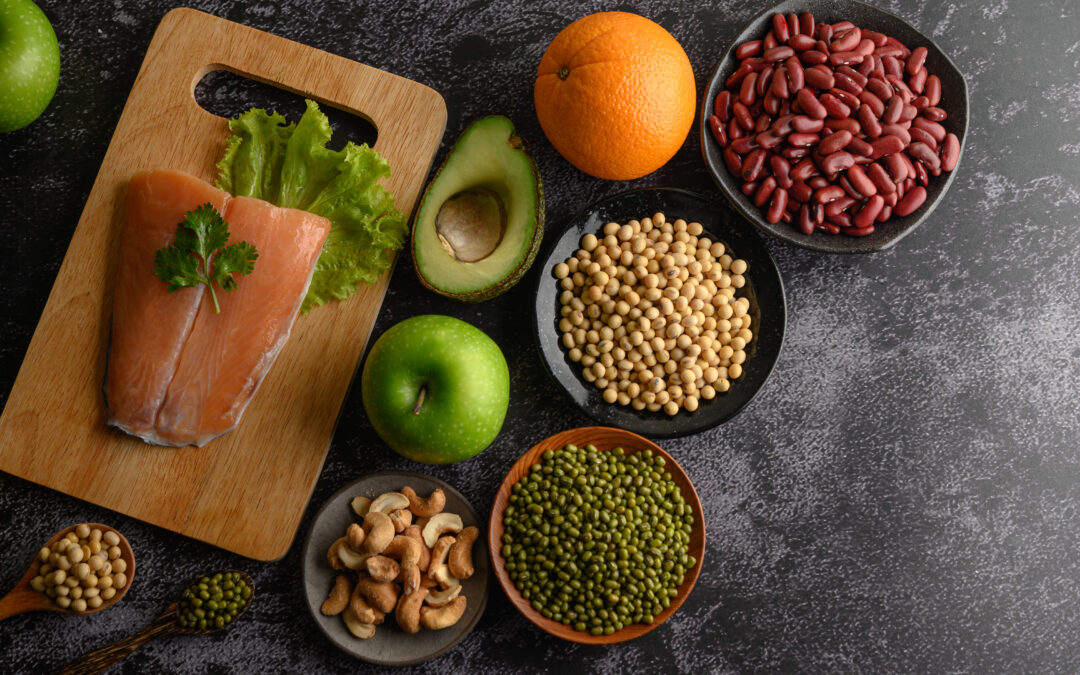
Appetite loss and persistent tiredness are common concerns experienced by individuals undergoing liver cancer treatment. These symptoms may develop due to the disease itself, side effects of treatments such as chemotherapy or radiation, changes in metabolism,...
by Oncoheal | Jan 20, 2026 | Other
Recovering after stomach removal surgery can be physically and emotionally challenging. A well-planned post gastrectomy diet plan plays a crucial role in supporting healing, maintaining strength, and reducing digestive discomfort. Since the stomach is either partially...

by Oncoheal | Jan 13, 2026 | Other
Recovering from colon cancer is a gradual process, and bowel changes are one of the most common challenges patients face during this phase. Many individuals experience diarrhea and constipation during colon cancer recovery, sometimes alternating between the two. These...

by Oncoheal | Jan 6, 2026 | Other
Recovery after stomach removal surgery is a gradual process that goes far beyond surgical healing. Nutrition plays a central role in rebuilding strength, supporting digestion, and preventing complications such as weight loss, nutrient deficiencies, and fatigue. Since...

by Oncoheal | Dec 26, 2025 | Other
Recovering after esophageal cancer surgery is a gradual process that extends beyond the operating room. Nutrition plays a critical role in healing, maintaining strength, and adapting to changes in swallowing and digestion. Since the esophagus is responsible for...

by Oncoheal | Dec 17, 2025 | Other
Pancreatic cancer patients often struggle with poor appetite, digestive issues, weight loss, and difficulty absorbing nutrients. During treatment or recovery, the body may require more calories and easily digestible meals to maintain strength. That’s why focusing on...

by Oncoheal | Dec 10, 2025 | Other
Recovering from colon cancer surgery requires more than medical care; nutrition becomes one of the biggest tools for healing. The digestive system undergoes significant changes after surgery, which means the body needs gentle foods, easy-to-digest meals, and balanced...

by Oncoheal | Dec 4, 2025 | Tips
Liver cancer brings unique nutritional challenges. Unlike many other cancers, people with liver cancer face a very high risk of malnutrition, muscle loss, reduced appetite, and difficulty digesting food. The liver is central to digestion, nutrient absorption, energy...

by Oncoheal | Nov 26, 2025 | Other
Pancreatic cancer affects one of the most essential organs for digestion. The pancreas plays a major role in releasing enzymes that are necessary for the digestive process, while the intestines are responsible for breaking down food further and absorbing nutrients....

by Oncoheal | Nov 20, 2025 | Tips
Stomach cancer places a unique strain on the digestive system, often making it difficult for patients to tolerate regular meals. During treatment or after surgery, the body needs gentle nourishment that supports healing, restores strength, and maintains a steady...