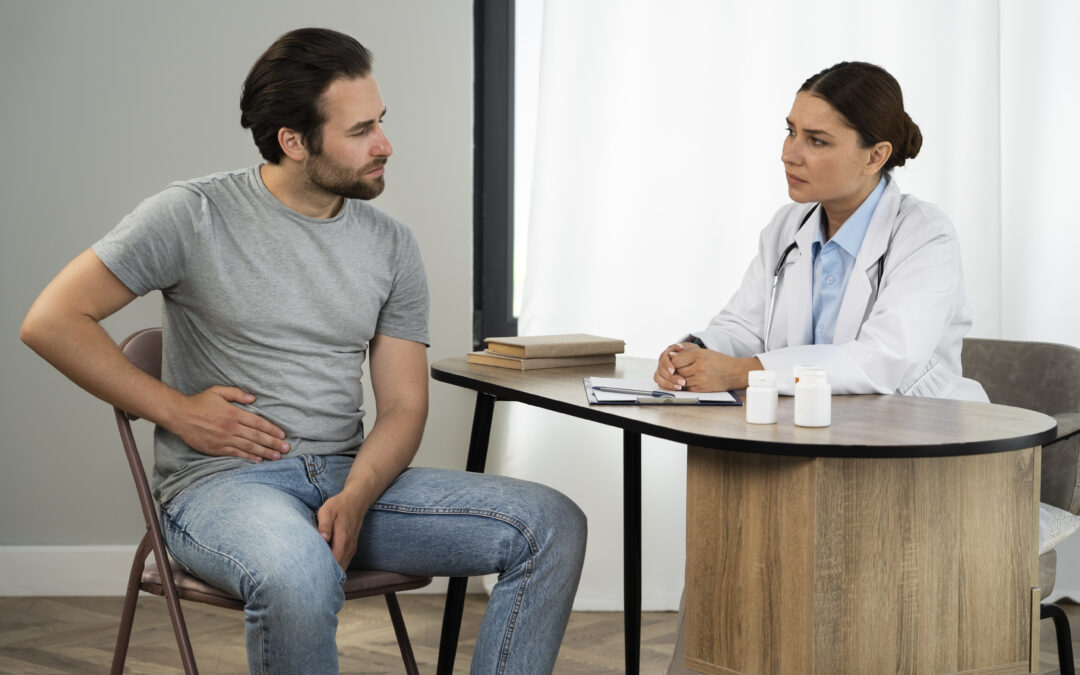
Recovering from colon cancer is a gradual process, and bowel changes are one of the most common challenges patients face during this phase. Many individuals experience diarrhea and constipation during colon cancer recovery, sometimes alternating between the two. These symptoms may occur after surgery, chemotherapy, radiation therapy, or due to changes in gut structure and function.
The colon plays a critical role in absorbing water and regulating bowel movements. When part or all of it is affected by cancer or treatment, digestion and stool consistency may change significantly. While these symptoms can feel distressing, they are common, and with the right dietary strategies, hydration, and medical guidance, they may be managed more effectively.
This guide explains why bowel irregularities happen, which foods may help regulate stools, what to eat or avoid after colon surgery, and when to consult your nutritionist or dietitian for personalised care.
Key Takeaways
- Diarrhea and constipation are common during colon cancer recovery and may alternate.
- Diet plays a major role in stabilising bowel movements after colon surgery.
- Certain foods may help slow diarrhea, while others may ease constipation.
- Hydration and meal timing are as important as food choices.
- Some patients are at high risk of malnutrition and may require nutritional supplements.
- Diet tolerance varies; always consult a nutritionist or dietitian before making changes.
Table of Contents
1. Understanding Bowel Changes After Colon Cancer
Water absorption and stool formation occur in the colon. When surgery removes a portion of the colon or when treatments affect the gut lining and bacteria, bowel habits may change.
Patients may experience:
- Frequent loose stools
- Hard or infrequent stools
- Urgency or incomplete evacuation
- Gas, bloating, or cramping
- Sensitivity to certain foods
These changes may last weeks or months and can vary from person to person.
2. Why Diarrhea and Constipation Occur During Recovery
Several factors contribute to bowel irregularities:
- Reduced colon length affects water absorption
- Changes in gut bacteria after surgery or antibiotics
- Side effects of chemotherapy or radiation
- Reduced appetite or low food intake
- Inadequate fluid consumption
- Low fibre or excessive fibre intake at the wrong stage
Understanding the cause helps guide dietary adjustments.
3. Diarrhea During Colon Cancer Recovery
Diarrhea may occur when food passes too quickly through the digestive tract. It may lead to dehydration, weakness, electrolyte imbalance, and weight loss if not managed properly.
Symptoms may include:
- Loose or watery stools
- Increased bowel frequency
- Urgency
- Abdominal cramping
- Fatigue
Persistent diarrhea should always be discussed with a nutritionist.
4. Foods to Stop Diarrhea After Colon Surgery
During episodes of diarrhea, the primary goal is to slow digestion, absorb excess fluid, and reduce intestinal irritation. In such cases, a nutritionist may recommend the BRAT diet, which includes Bananas, Rice, Apples, and Toast. These foods are bland, low in fiber, and easy to digest, which may help firm stools, reduce bowel frequency, and soothe the digestive tract during colon cancer recovery. Patients should consult a nutritionist before making dietary changes, especially after colon surgery.
Foods That May Help Firm Stools
Soft starches
- Plain rice
- Rice porridge
- Soft flatbreads
- Semolina porridge
Gentle proteins
- Well-cooked lentils
- Soft curd
- Light lentil soups
Low-fibre vegetables (well-cooked)
- Bottle gourd
- Pumpkin
- Carrot
- Ridge gourd
Fruits (without peel, cooked or mashed)
- Banana
- Stewed apple
Fluids
- Thin buttermilk
- Clear vegetable broth
- Oral rehydration solution (if recommended)
Avoid raw vegetables, fruit peels, nuts, seeds, fried foods, and spicy dishes during diarrhea episodes.
5. Constipation During Colon Cancer Recovery
Constipation may occur due to reduced mobility, pain medications, dehydration, or inadequate fibre intake.
Symptoms may include:
- Hard stools
- Straining
- Infrequent bowel movements
- Bloating or discomfort
Constipation should be managed gently to avoid straining the healing gut.
6. Foods for Bowel Regulation After Colon Surgery
When constipation is present, or once diarrhea improves, foods that support smoother bowel movements may be added gradually.
Foods That May Help Ease Constipation
Soft fibre sources (introduced slowly)
- Cooked vegetables
- Vegetable purees
- Soft fruit pulp
- Well-cooked grains
- Prunes: May naturally promote bowel regularity due to their fiber content.
- Pears: May help soften stools and support digestion when consumed in moderation.
- Overnight-soaked black raisins: May aid digestion and help relieve constipation gently.
These foods should be consumed based on individual tolerance and recovery stage.
A nutritionist can guide appropriate portions and combinations for safe bowel regulation during recovery.
Healthy fats (in moderation)
- Ghee
Fermented foods
- Curd
- Thin buttermilk
Hydration
- Warm water throughout the day
- Soups and broths
Fibre must be increased carefully, as too much too soon may worsen bloating or trigger diarrhea.
7. Meal Timing, Hydration, and Portion Control
Eating habits are just as important as what you consume.
Helpful strategies include:
- Eating small meals 5-6 times a day
- Avoiding large, heavy portions
- Chewing food thoroughly
- Drinking fluids between meals rather than with meals
- Maintaining regular meal timing
These habits may help regulate bowel movements and reduce discomfort.
8. Risk of Malnutrition During Colon Cancer Recovery
People recovering from colon cancer are at high risk of malnutrition and unintended weight loss, especially if diarrhea persists or appetite is poor.
Some patients may not meet their nutritional needs through food alone. In such cases:
- A nutritionist may recommend protein-rich or calorie-dense oral supplements to help meet increased energy and nutrient needs during recovery, based on individual tolerance and digestive capacity.
- Specialised formulas may help meet energy, protein, vitamin, and mineral needs
These should always be taken under professional guidance.
9. Special Considerations for Patients With a Stoma
Some patients may have a colostomy or ileostomy after surgery. Diet tolerance can vary widely depending on stoma output.
Important considerations include:
- Adjusting food choices based on stool consistency
- Avoiding foods that increase gas or output
- Ensuring adequate fluid and salt intake
- Eating regular meals to regulate output
A personalised plan from a dietitian is essential for stoma management.
10. When to Consult a Nutritionist
Seek expert nutritional guidance if:
- Diarrhea or constipation persists beyond a few days
- There is rapid weight loss
- Severe abdominal pain occurs
- Stools contain blood
- Dehydration symptoms appear
- Appetite remains very low
Never self-medicate with laxatives or anti-diarrheal drugs without medical advice.
Final Thoughts
Managing diarrhea and constipation during colon cancer recovery requires patience, awareness, and a personalised nutrition approach. With gentle foods, proper hydration, mindful meal timing, and professional guidance, bowel function may gradually stabilise. Since every patient’s recovery journey is different, ongoing consultation with a nutritionist or clinical dietitian is essential for safe and effective healing.
You Don’t Have to Manage Recovery Alone
If you or your loved one needs expert guidance on nutrition, recovery, or symptom management after cancer treatment, the OncoHeal team is here to support you with trusted, patient-focused care.
FAQs
(Frequently Asked Questions)
Is diarrhea common during colon cancer recovery?
Yes. Diarrhea is common due to changes in colon function, treatment side effects, or altered gut bacteria.
What foods help stop diarrhea after colon surgery?
Plain rice, rice porridge, soft lentils, curd, banana, and well-cooked vegetables may help firm stools.
What foods help with constipation after colon surgery?
Cooked vegetables, fruit pulp, mild fats, warm fluids, and gradual fibre introduction may help.
Can diarrhea and constipation alternate during recovery?
Yes. Many patients experience alternating symptoms as the gut adjusts.
Should supplements be used during recovery?
Some patients may need nutritional supplements due to malnutrition risk. These should be prescribed by a dietitian or nutritionist.